
Lifestyle
Does a Key West Luxury Home's Outdoor Space Fit the Way You Live?
Scott Forman
November 5, 2026 · 5 min read
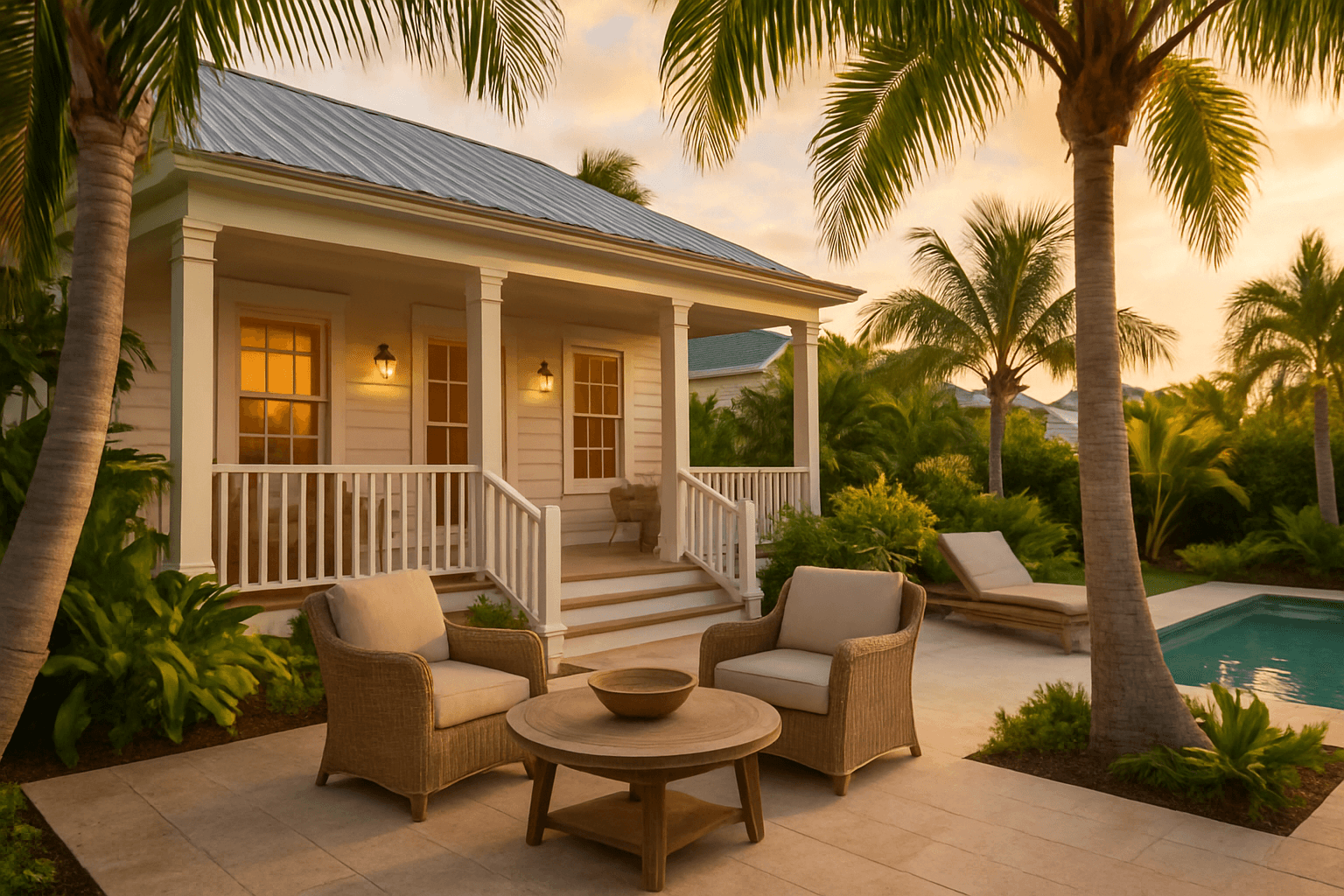
A Key West luxury home's outdoor space should fit the way you expect to use the property: where you sit, how you dine, the privacy you want and the upkeep you are willing to arrange. I would judge those details in person before letting a pool photograph or a long list of features make the decision.
Start with the home as it exists today. If it would suit you only after moving a kitchen, changing a wall or replacing the landscape, keep that proposed work separate from what you have actually seen. This is a practical way to compare the day-to-day experience of two otherwise appealing homes.
What would an ordinary evening look like here?
Picture an evening you would regularly enjoy, rather than an occasional large party. Would you read outside, have dinner with a few friends or prefer a quiet place away from the main living room? Write down your three most important uses before the showing.
Then walk the relevant routes with the host's permission. Where would you set down a drink? How would you carry dinner outside? Where would another person sit while you are reading? I would look at the relationship between the indoor rooms and those outdoor activities.
Use the actual space for this exercise. A listing photograph may help you remember the layout, but I would not use it to decide whether my preferred furniture fits. Ask for dimensions or arrange an appropriate measurement rather than estimating from a wide-angle photograph.
Does the seating layout leave room for everyday movement?
I would sketch a simple plan with separate places for sitting, dining and moving through the area. Mark the doors and the routes you would use. This does not need to be a design drawing; its purpose is to make your questions concrete.
The UF/IFAS outdoor-living guide recommends placing seating so it does not interfere with other landscape uses. For a buyer, I would turn that principle into a walk-through exercise: can someone reach the door while others are seated, and can you carry food to the table without rearranging everything?
Ask what furnishings are included. I would compare the layout using the furniture I intend to have, rather than assuming the seller's arrangement or belongings will remain.
When would you want sun, shade and privacy?
Write down when you expect to use each area. Morning coffee and an evening dinner may involve different seats and different questions. During the showing, note what you can observe at that particular time.
UF/IFAS explains that shade shifts during the day and as trees mature. Its guidance recommends observing the actual light rather than assuming a spot stays the same. If afternoon shade is important to you, I would request an appropriately timed return visit instead of treating a morning showing as the answer.
Look at sightlines from the seats you would use. What can you see, and what remains uncertain? Keep your observations limited to the property and areas you are permitted to enter. A listing's description of privacy is a question to explore, not a reason to skip that review.
What should you ask about an outdoor kitchen?
I would first decide whether I want to cook outside or simply serve food there. That helps separate equipment I would use regularly from features that mainly look appealing during a showing.
Ask which appliances and fixtures are included, who installed them and what records are available. Request an appropriate professional assessment of their condition and operation. Do not operate equipment or open restricted areas without permission.
UF/IFAS notes that more elaborate outdoor kitchens may involve electrical and water connections and recommends checking building requirements or using a licensed contractor. For a purchase, I would bring questions about the actual installation and any proposed changes to the appropriate qualified professionals. This article does not establish that a particular kitchen is functional or approved.
Who would maintain the space you are buying?
Ask the seller for the available maintenance information and identify what you would want reviewed. My list would include plantings, screens, surfaces, furniture and installed equipment. I would ask a proposed service provider what their work would include before assuming it matches the seller's arrangement.
UF/IFAS cautions that hedges require regular maintenance and that trees used for screening can take time to develop. I would ask how the existing planting is cared for and have a suitable professional explain any concerns about changing it.
For a part-time home, decide who would report a problem and how you would authorize work. Keep the responsibility clear even if one person coordinates several services. A useful ownership plan identifies the contact, the agreed work and the questions that still need answers.
How should you compare the homes after your visits?
Use the same short worksheet for each property. I would keep four headings: works as seen, needs verification, proposed changes and ongoing care. Put observations in the first section only when you actually made them.
For example, you might record where you would dine, then separately note that you have not checked that location in the afternoon. If your plan depends on altering the space, record the proposed change without assuming it is feasible or permitted.
Our Key West luxury-home buyer guide covers the broader property comparison. This worksheet keeps one part of that decision focused on how the outdoor rooms would work for you.
Is a larger outdoor area always the better choice?
I would compare usable arrangements rather than choose on size alone. Which property accommodates the activities you care about, and which requires changes before you would enjoy it? The answer depends on your priorities, not a universal definition of luxury.
Does mature landscaping settle the privacy question?
I would still examine the relevant sightlines and ask about upkeep. Living screening needs care, and a single visit is only one observation. Record what you saw and what you would like a qualified landscape professional to review.
Can you assume you will be allowed to remodel later?
No. I would have the proposed work reviewed before relying on it in a purchase decision. Ask the appropriate professionals and authorities what applies to that property. A neighboring home's layout does not answer the question for yours.
What if the space looks good but does not fit your routine?
Keep that concern in the comparison. I would rather identify a layout mismatch during the buying process than treat an unverified redesign as a finished feature.
At Royal Palms Realty, the conversation can start with how you want to live in Key West and the homes you are considering. Contact Scott Forman to organize those property questions alongside the features that first caught your attention.
Useful Links & Sources
Talk with Scott Forman at Royal Palms Realty about the outdoor living priorities for your Key West home.
Get in TouchExploring Key West real estate?
Whether you are considering a move or planning to sell, explore local neighborhood listings or start with a home valuation.
Related Reading
What Should You Check at a Key West Open House?
Use this Key West open-house checklist to check permits, flood maps, historic review, rental rules, condo documents, parking, and ownership costs.
What Separates Luxury From Ultra-Luxury in Key West?
How Key West luxury homes have evolved, why $4M+ defines our ultra-luxury collection, and what current listings reveal about the top of the market.